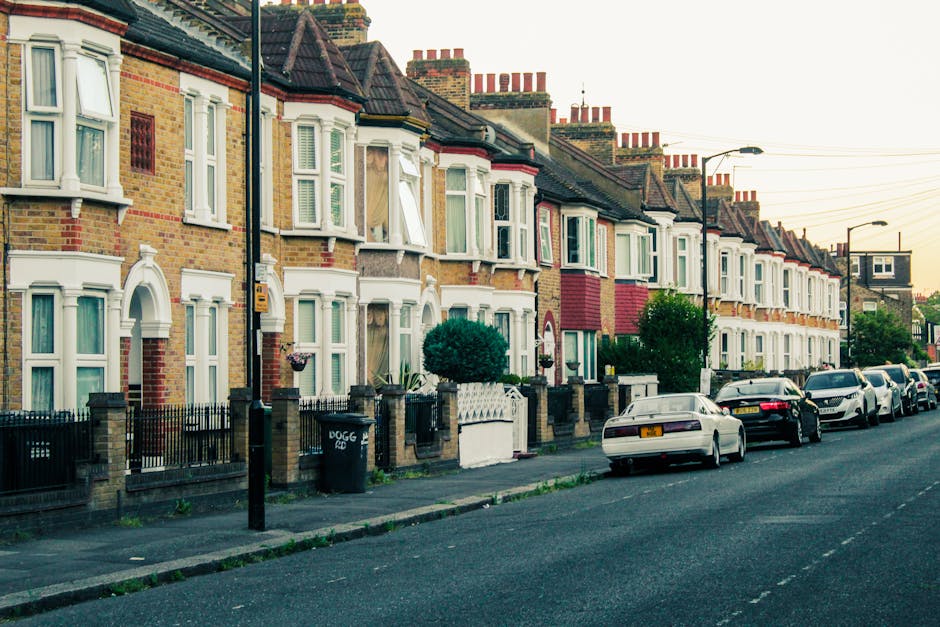
Plumstead rubbish removal guide for Woolwich Road homes

If you live on Woolwich Road and the rubbish is starting to pile up, you are not alone. A skipped bin collection, a hallway full of broken furniture, or a loft you keep meaning to clear out can turn into a proper headache fast. This Plumstead rubbish removal guide for Woolwich Road homes is here to make the whole thing simpler: what the service involves, how to plan it, what to avoid, and how to choose a method that actually fits a busy home in southeast London.
There is a lot more to rubbish removal than just "taking stuff away". In practice, it is about access, lifting, sorting, recycling, and making sure waste is handled responsibly. And, to be fair, if you are juggling stairs, parked cars, wet weather, or a narrow front path, the difference between a smooth clearance and a stressful one can be night and day.
Below, you will find a clear, local-first guide for Woolwich Road homeowners, tenants, landlords, and anyone dealing with a one-off clearance, end-of-tenancy tidy-up, bulky item disposal, or a bigger home reset.
- Why this matters locally
- How rubbish removal works
- Benefits and practical advantages
- Who it is for
- Step-by-step guidance
- Expert tips
- Mistakes to avoid
- Tools and resources
- Compliance and best practice
- Options and comparison
- Real-world example
- Practical checklist
- Conclusion
- Frequently asked questions
Why Plumstead rubbish removal guide for Woolwich Road homes Matters
Rubbish removal matters most when you realise how quickly clutter can affect everyday life. A few bags in the passage become a trip hazard. An old wardrobe left waiting by the stairs makes moving around awkward. Garden waste left too long starts to smell damp and earthy, especially after a rainy spell. None of that is dramatic on its own, but all of it adds friction to the day.
For Woolwich Road homes in Plumstead, there is also the practical side of local living. Homes vary a lot: terraced properties, flats, maisonettes, houses with limited front space, and properties where parking is never especially generous. That means clearance is not just about muscle. It is about planning the route out, protecting communal areas, and handling items without upsetting neighbours or blocking access. Simple enough in theory. A bit fiddly in real life.
This is where a proper rubbish removal approach earns its keep. It helps you avoid multiple trips to a tip, keeps heavy lifting under control, and gives you a cleaner result with less disruption. If you are comparing a few options, it is also useful to understand the wider service landscape, including general waste removal, home clearance, and more specific jobs such as flat clearance or house clearance.
Key takeaway: the best rubbish removal solution is not always the cheapest or the fastest. It is the one that fits your access, your waste type, and your timeframe without creating extra mess or stress.
Table of Contents
- Why Plumstead rubbish removal guide for Woolwich Road homes Matters
- How Plumstead rubbish removal guide for Woolwich Road homes Works
- Key Benefits and Practical Advantages
- Who This Is For and When It Makes Sense
- Step-by-Step Guidance
- Expert Tips for Better Results
- Common Mistakes to Avoid
- Tools, Resources and Recommendations
- Law, Compliance, Standards, or Best Practice
- Options, Methods, or Comparison Table
- Case Study or Real-World Example
- Practical Checklist
- Conclusion
- Frequently Asked Questions
How Plumstead rubbish removal guide for Woolwich Road homes Works
At a practical level, rubbish removal is the process of collecting unwanted items from your property, loading them safely, sorting them for reuse or recycling where possible, and transporting them away for lawful disposal. The details vary by provider and by property, but the flow is usually similar.
Most household clearances begin with a quick assessment of what needs to go. That may be done through photos, a short call, or an in-person visit. From there, a sensible provider will look at volume, item type, access, and whether any items need special handling. A sofa is one thing. A broken fridge, paint tins, or an awkward mattress is another. No surprises there, but it is worth saying plainly.
If you are dealing with mixed items, the service may be split into categories. Furniture, appliances, loft clutter, garage waste, garden debris, builder's rubbish, and confidential paper all have different handling needs. For example, appliance disposal is usually easier when arranged through a service familiar with fridge and appliance removal, while old sofas and mattresses often fit better with a specialist sofa and mattress disposal approach.
On the day, the team should arrive ready to load quickly and carefully. Good practice is straightforward: protect walls and floors where needed, avoid blocking neighbours, and remove items in a sequence that keeps the route clear. In a busy road like Woolwich Road, timing can matter. An early morning slot, for example, can sometimes make access easier before traffic and parking pressures build up.
It is also common for providers to separate general domestic rubbish from specialised collections such as furniture disposal, garage clearance, or loft clearance. That helps with pricing, loading, and recycling. If you have ever tried to carry a damp box of mixed junk down two flights of stairs, you will know why organisation matters.
Key Benefits and Practical Advantages
The obvious benefit is less clutter. But the real value goes a bit deeper than that. A well-run rubbish removal service saves time, reduces physical strain, and makes a property feel usable again. That can be especially helpful if you are preparing for a move, a renovation, new tenants, or simply trying to get your weekend back.
Here are the most useful advantages for Woolwich Road homes:
- Less lifting and stress: heavy items are moved by people used to handling awkward loads, which matters if you have stairs, narrow landings, or bulky furniture.
- Faster turnaround: what could take you half a day or more can often be dealt with in one visit.
- Cleaner finish: clearances are usually tidier than making repeated bin runs in the dark after work. Been there, done that, not ideal.
- Better recycling outcomes: a good provider should separate reusable and recyclable materials rather than sending everything down the same route.
- More flexible than a skip: useful when parking is tight, pavement space is limited, or you do not want a large container sitting outside for days.
There is also a mental benefit that people underestimate. Once the rubbish is gone, the room suddenly looks bigger, quieter, and more workable. A spare bedroom stops feeling like a storage dump. A hallway feels welcoming again. That matters in a home, honestly.
If you are comparing household services, it can help to look at broader support such as furniture clearance, garden clearance, or even garage clearance if your overflow has spread to every corner. It happens. More often than people admit.
Who This Is For and When It Makes Sense
This guide is useful for a fairly wide mix of people. You may be a homeowner who has built up clutter over years, a tenant needing to leave a property in good order, or a landlord dealing with left-behind items after a tenancy ends. On Woolwich Road, it is also common to see families clear out one room at a time rather than tackle the whole house in one go. Sensible, really.
It tends to make sense when:
- you have bulky items that are awkward to move on your own
- you want waste gone quickly without hiring and loading a skip yourself
- you are clearing a loft, garage, shed, or spare room
- you are preparing for decorating, sale, or a move
- you have mixed waste and want it sorted properly
- you need help with heavier household items like appliances or sofas
It is also worth considering whether your job is a single-item removal or a broader clearance. One mattress is a different job from a house packed with furniture, bags, and odds and ends. If you only need a small pickup, a focused service may be enough. If you are dealing with years of accumulation, a more complete house clearance or home clearance may be the smarter route.
For business owners, the same logic applies in a work setting. If the property is mixed-use or you are clearing an office room from a home workspace, you may want to compare with office clearance or business waste removal. The point is to match the method to the actual mess. Nice and simple, in principle.
Step-by-Step Guidance
If you want a smooth experience, a little preparation goes a long way. The job goes much better when you know what is being removed, what is staying, and how the route out of the property will work.
- Sort the items into rough categories. Separate furniture, general rubbish, appliances, garden waste, and anything sensitive or hazardous.
- Decide what is definitely going. Half-decisions are the enemy of efficient clearance. If you are unsure, set the item aside and revisit it before booking.
- Check access. Measure awkward doorways, note stairs, and think about whether parking close by is realistic.
- Take clear photos. This helps with quotes and avoids misunderstandings. One blurry photo of a corner is not very useful, truth be told.
- Flag special items early. Fridges, paint, chemicals, sharps, or anything possibly hazardous should be mentioned before collection.
- Ask about recycling and disposal routes. A responsible provider should be able to explain how items are sorted.
- Prepare the path. Move fragile items, open gates, and make sure pets and children are kept clear during loading.
- Confirm timing and payment details. It sounds obvious, but this avoids the awkward end-of-job scramble.
One small but useful tip: if the job involves furniture, separate items that can be dismantled from those that cannot. A broken wardrobe or bed frame often becomes much easier to remove when taken apart first. Not always necessary, but it can save time and reduce damage risk.
Expert Tips for Better Results
After enough clearances, a few patterns become obvious. The jobs that go smoothly are nearly always the ones where the homeowner has made a couple of smart decisions before anyone arrives.
First, keep the waste in one place if you can. If the team has to hunt through three rooms, a shed, and the back bedroom, the job takes longer and costs more in effort. One staging area is better than several scattered piles.
Second, be honest about volume. People sometimes underestimate what "a few bags" really means. Once stacked, bags take up more room than expected. So do dismantled cupboards. So do garden branches after a wet week. A realistic description gives a better quote and avoids a last-minute rethink.
Third, think about what can be reused. Not everything needs to be treated as rubbish. Some furniture, fittings, or household items may be suitable for reuse or separate disposal. If you have decent items, it is worth asking about recycling and sustainability practices rather than assuming everything goes the same way.
Fourth, keep sensitive items out of the general pile. Documents, bank paperwork, old laptops, and anything with personal data should be handled carefully. If you are clearing an office room or home workspace, a service like confidential shredding can help reduce risk.
Fifth, ask what is excluded. This saves disappointment. Hazardous items, for example, need special handling. If your pile includes solvents, chemicals, or other risky materials, look at hazardous waste disposal before booking anything else.
One more thing, and this sounds minor until it isn't: if your collection involves a lot of mixed household stuff, think about the final destination of each category. A service that is used to furniture clearance, appliance disposal, and general rubbish removal will usually ask better questions at the start. That is a good sign.
Common Mistakes to Avoid
A lot of clearance problems come down to avoidable assumptions. Here are the ones we see most often.
- Leaving the sort-out too late. If you try to separate everything on collection day, the job becomes slower and messier.
- Ignoring access issues. Tight stairs, controlled parking, and low-hanging trees are all easy to forget until the van arrives.
- Mixing regular waste with hazardous items. That creates handling problems and, in some cases, legal issues.
- Underestimating furniture size. A three-seater sofa is not the same as a dining chair, and it definitely feels bigger in a narrow hallway.
- Not asking about recycling. You may be able to make a greener choice with a tiny bit of extra planning.
- Booking the wrong service type. A single-item pickup, a full flat clearance, and builders waste clearance are different jobs.
Another mistake is assuming every removal service works the same way. They do not. Some are better for bulky domestic items, some for renovation waste, and some for mixed household clearances. If the provider does not explain their process clearly, that is worth pausing over.
And yes, it is tempting to "just put it all by the front door" and hope for the best. But a bit of organisation usually saves you money, time, and one very grumpy Saturday morning.
Tools, Resources and Recommendations
You do not need specialist equipment for every small job, but a few simple tools can make household rubbish removal much easier. Gloves help with broken edges and dusty items. Sturdy bags are useful for loose waste. A tape measure sounds boring, but it is brilliant for checking whether a wardrobe panel or mattress will fit through the route out.
For larger domestic clearances, it helps to think in zones. Loft items go together. Garage items go together. Garden waste stays separate from indoor waste where possible. That makes loading easier and reduces the chance of dirty items contaminating cleaner reusable goods.
Useful service pages on the site can also help you decide which kind of collection fits your needs:
- Loft clearance for long-stored boxes, old decorations, and forgotten household clutter
- Garden clearance for branches, cuttings, pots, and outdoor debris
- Garage clearance for mixed overflow, old tools, and bulky storage items
- Mattress and sofa disposal for large soft-furnishings that are awkward to move
- Pricing and quotes if you want to understand how jobs are typically assessed
If you want to book quickly, you can also use the online booking route. For people who like to compare options first, that can be a neat way to get started without making a dozen calls.
Law, Compliance, Standards, or Best Practice
Waste handling in the UK should always be treated with care. You do not need to become a compliance expert to clear your house, but it helps to work with a provider that follows sensible legal and environmental best practice. That includes handling waste appropriately, separating recyclable materials where possible, and dealing correctly with items that need special treatment.
For householders, the main practical rule is simple: do not dump waste where it should not go, and do not mix hazardous materials into general rubbish. If you are unsure about something, ask before it is collected. Paint, chemicals, gas canisters, asbestos-related materials, and similar items may require specialist handling, and guessing is never a good plan.
A trustworthy provider should also be clear about safety, insurance, and how they manage jobs on-site. If you are letting people into your home, that reassurance matters. It is perfectly reasonable to look for information about health and safety policy, insurance and safety, and general operating standards before booking. A little due diligence now saves a lot of awkwardness later.
Environmental responsibility is also part of the picture. You want items to be reused, recycled, or disposed of appropriately where possible, not simply bundled away without thought. That is why pages such as recycling and sustainability are worth reading if you care about what happens after collection. Most people do, once they stop and think about it.
And if you are dealing with business documents or household paperwork in a home office setup, remember that confidentiality is not just a nice extra. It is part of the job. Keep sensitive material separate and use a proper shredding route rather than tossing it into general waste.
Options, Methods, or Comparison Table
There is more than one way to clear rubbish from a Woolwich Road home. The right method depends on volume, access, item type, and how involved you want the process to be.
| Method | Best for | Pros | Limitations |
|---|---|---|---|
| Ad hoc bin trips | Very small amounts of light waste | Low immediate cost, simple for tiny clear-outs | Time-consuming, hard work, not practical for bulky items |
| Skip hire | Renovation waste or ongoing work | Useful for projects, stays on-site for a period | Needs space, permits may be relevant, loading is your responsibility |
| Man and van rubbish removal | Household clutter, bulky furniture, mixed domestic waste | Quick, flexible, less lifting for you | Needs good access planning and clear item descriptions |
| Specialist item disposal | Fridges, sofas, mattresses, appliances | Better handling for awkward or regulated items | May not suit mixed large clearances on its own |
For many Woolwich Road homes, the most practical answer is a mix of the last two: a general clearance service plus specialist removal for awkward items. That way, you are not forcing one method to do a job it was never designed for.
Case Study or Real-World Example
Picture a typical Woolwich Road home after a long year: a spare room filled with boxes, an old sofa that has seen better days, a broken chest of drawers, a few bags of mixed household waste, and a loft hatch you have not really opened since winter. Nothing outrageous. Just enough to make the place feel crowded.
In a situation like that, a useful first step is separating what is obviously going, what may be reusable, and what needs special handling. The sofa and drawers can be grouped together. The box of old paperwork should be kept away from general rubbish if it contains personal information. The fridge in the utility space, if there is one, should be flagged as an appliance item rather than added casually to the pile.
What tends to work best is a short walkthrough before collection. The provider can see the access, estimate loading order, and identify any awkward points like narrow turns, steps, or parking limitations. The homeowner, meanwhile, avoids the classic "oh, I forgot about that bit" moment when the van is already outside. It is a small thing, but it saves hassle.
In our experience, the quickest jobs are not always the ones with the least rubbish. They are the ones where the client has already done a bit of sorting and knows what is staying. That simple preparation changes everything.
Practical Checklist
Use this checklist before your collection day. It keeps the process calm and stops small problems turning into big ones.
- Group items by type: furniture, general waste, garden waste, appliances, and sensitive papers
- Check whether anything needs specialist handling, especially fridges or hazardous waste
- Measure awkward items and note tight doorways or stairs
- Confirm where the collection vehicle can park
- Clear the path from the item pile to the exit
- Protect floors or walls if the route is narrow or delicate
- Keep pets and children safely out of the way
- Make sure anything you want to keep is moved well away from the clearance area
- Ask about recycling, reuse, and disposal methods
- Confirm the final quote and payment terms before the job starts
If you are clearing a fuller property rather than one room, it can help to work through the spaces in order: loft, garage, bedroom, then living space. That gives you a bit of momentum. And, strangely, momentum is half the battle with household clear-outs.
Get a free quote today and see how much you can save.
Conclusion
Rubbish removal for Woolwich Road homes does not need to be complicated. Once you understand the type of waste you have, the access you are working with, and the level of service you need, the rest gets much easier. The best outcomes usually come from a little planning, honest item descriptions, and choosing a service that handles both the practical and responsible side of disposal.
Whether you are clearing a single bulky item, resetting a spare room, or tackling a full household tidy-up, the goal is the same: make the property feel usable again without creating avoidable stress. That is really what good rubbish removal should do. Quietly, efficiently, and without drama.
If you are ready to move forward, take the next sensible step and choose the route that fits your home, your timing, and the way you want the waste handled. Simple, steady progress has a habit of making a place feel lighter almost immediately.
Frequently Asked Questions
What counts as rubbish removal for a Woolwich Road home?
It usually covers the collection and disposal of unwanted household items such as bags of waste, old furniture, broken appliances, loft clutter, garden debris, and mixed domestic rubbish. The exact scope depends on the provider and what they can safely take.
Is rubbish removal better than hiring a skip for a house in Plumstead?
It depends on the job. Rubbish removal is often better for bulky items, mixed waste, and homes with limited space. Skip hire can suit ongoing renovation projects, but you need room for the skip and you must load it yourself.
How do I know if I need a full house clearance or just waste removal?
If you are getting rid of furniture, multiple rooms' worth of items, or a property full of accumulated belongings, a house clearance is often the better fit. If it is mainly loose rubbish or a smaller pile of mixed waste, general waste removal may be enough.
Can old sofas and mattresses be taken away?
Yes, usually. Sofas and mattresses are common bulky items, but they are best treated as dedicated disposal jobs because they are awkward to move and can have different handling requirements. Specialist collection is often the neatest solution.
What should I do with a fridge or other appliance?
Appliances should be mentioned in advance because they may need separate handling. Fridges and large white goods can be heavy, awkward, and subject to specific disposal arrangements. A service familiar with appliance removal is usually the safest option.
Do I need to sort the rubbish before collection?
Some sorting helps a lot, especially if you want a smoother quote and quicker loading. You do not need to make everything perfect, but separating furniture, general waste, and sensitive or hazardous items is a smart move.
How long does a typical clearance take?
It varies by volume, access, and item type. A small collection may be handled quite quickly, while a full property clearance can take much longer. The less the team has to move around the house to find items, the easier it usually is.
Is rubbish removal safe for properties with narrow stairs or tight hallways?
Yes, if it is planned properly. This is where good access information matters. Tight staircases, bends, and small landings need to be considered before the job begins so items can be removed safely and without damage.
What happens to the waste after collection?
Responsible providers aim to sort items for reuse or recycling where possible, with the remainder going to appropriate disposal routes. The exact process can vary, so it is fair to ask how materials are handled before you book.
Can I book rubbish removal for just one item?
Often, yes. Single-item collections are common for things like a sofa, mattress, fridge, or a broken wardrobe. It is worth checking minimum job sizes or pricing structures so you know whether the call-out makes sense.
What if my rubbish includes something hazardous?
Do not mix it into general waste. Hazardous items need careful handling and may require a different disposal route. Let the provider know exactly what is involved so they can advise properly before collection day.
How do I get the most accurate quote?
Give a clear description of the items, include photos if possible, mention access issues, and flag anything special such as appliances or hazardous materials. A little detail at the start usually leads to a much smoother experience later.